
If you own — or are buying — an older Florida home, there’s a good chance an insurance company will ask for a 4-point inspection before it agrees to cover you. It catches a lot of homeowners by surprise, so here’s exactly what it is, why insurers want it, and how it’s different from the other inspections you may have heard about.
What a 4-point inspection actually is
A 4-point inspection is a focused look at the four systems most likely to cause a large, expensive insurance claim in an older home:
- Roof — its covering, age, and remaining useful life.
- Electrical — the panel, wiring, and whether any known hazards are present.
- HVAC — the heating and cooling equipment, its age and condition.
- Plumbing — the supply lines, drains, and water heater.
That’s the whole scope — four systems, hence “4-point.” It is not a full home inspection. It doesn’t cover the structure, the windows, the appliances, the attic, or the dozens of other things a complete inspection reviews. Its single purpose is to give an insurance company a quick, current read on whether these four systems are in insurable condition.
Why insurers require it
Florida’s insurance market is one of the toughest in the country, and carriers are cautious about older homes. As a house ages, its roof, wiring, and pipes reach the end of their service life — and those are precisely the failures that lead to fire, water damage, and large payouts.
So most insurers require a 4-point inspection when a home reaches a certain age — typically around 30 years old, though some carriers use 25 and others 40 — before they will write a new policy or, increasingly, renew an existing one. Without a passing 4-point, they may decline coverage, offer only limited coverage, or charge more. The inspection is documented on a standard form the insurer provides to your agent.
What the inspector is looking for
Each of the four points has specific red flags an insurer cares about:
Roof. The big question is age and remaining life. Insurers want to know the roof covering, roughly how old it is, and whether it has years of service left. A roof near the end of its life is the single most common reason a policy gets declined. (Because roof condition is so central to Florida insurance, it’s worth reading our guide on caring for your Florida roof.)
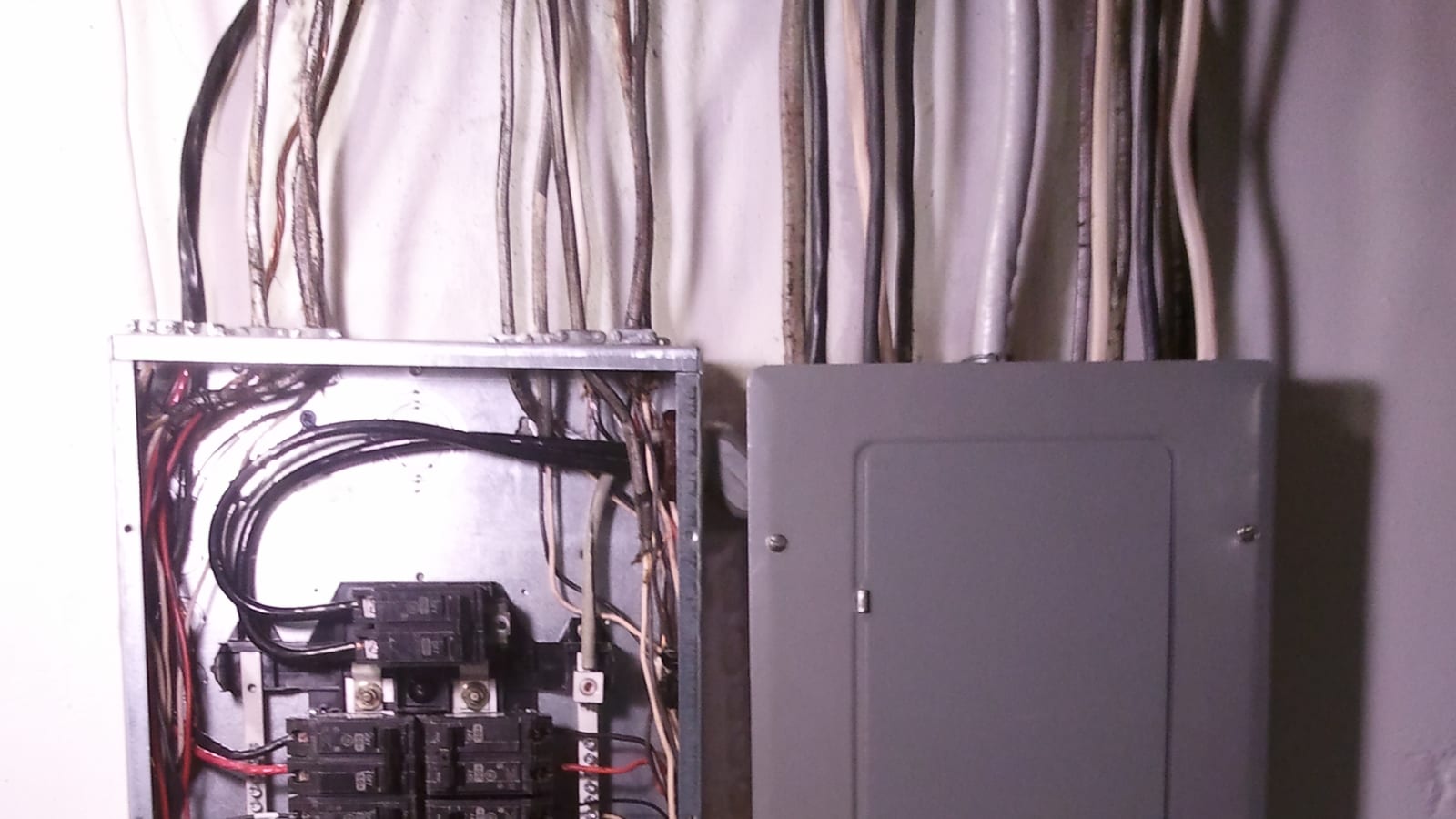
Electrical. Inspectors note the panel brand and the type of wiring, and flag known hazards — outdated panels with a history of problems, older wiring types, missing safety devices, or obvious defects like scorching or improper connections. Certain older panels and wiring are near-automatic red flags for carriers.
HVAC. The heating and cooling system is checked for age, condition, and whether it’s operating. An old or non-functioning system, or visible safety concerns, will draw attention.
Plumbing. Inspectors identify the supply and drain materials and look for active leaks, corrosion, and the age and condition of the water heater. Some older piping materials are a concern to insurers on their own. Our water heater guide covers one of the most claim-prone parts of this system.
The inspector is documenting condition and age, not certifying that everything meets today’s standards. The goal is an honest snapshot the insurer can underwrite from.
How it’s different from a full inspection
This trips up a lot of buyers. A full home inspection — the kind you get when you buy a house — is a top-to-bottom evaluation of the entire home, meant to protect you as the buyer and give you a complete picture before you commit. A 4-point is a narrow, four-system snapshot meant to satisfy an insurance company.
They serve different masters, and one doesn’t replace the other. If you’re buying an older home, you generally want a full inspection for yourself and a 4-point for your insurer — and the smartest move is to have both done in the same visit. If you’re already in the home and your carrier suddenly asks for a 4-point at renewal, you may only need the 4-point.
How it’s different from a wind mitigation inspection
Another common mix-up. A wind mitigation inspection documents the features that help your home resist windstorms — roof shape, how the roof deck is attached, whether the roof is strapped to the walls, and your opening protection. Its purpose is to earn you premium discounts.
So the two work as a pair, but with opposite jobs:
- 4-point answers “Will the insurer cover this home at all?” (eligibility)
- Wind mitigation answers “How much can I save on the premium?” (discounts)
On an older Florida home, it’s common — and cost-effective — to have both done together. You can read more on the insurance side of ownership in our insurance guide.
What happens if something fails
A 4-point isn’t strictly pass/fail, but if the inspector documents a serious concern — a roof at the end of its life, a hazardous electrical panel, active plumbing leaks — the insurer may decline the policy or require the item be corrected first. That’s not bad news so much as early news: it tells you exactly what to address, often before it becomes an emergency or a denied claim. Many homeowners use a 4-point finding to plan a roof replacement or a panel upgrade on their own timeline instead of after a failure.
The bottom line
A 4-point inspection is a small, focused report with an outsized effect on your ability to insure an older Florida home affordably. If you’re buying, budget for it alongside your full inspection. If you’re renewing and your carrier asks for one, don’t panic — get it done by a licensed inspector who knows what Florida carriers look for, and pair it with a wind mitigation inspection so you capture every discount you’re owed.
Prosight performs 4-point and wind mitigation inspections across Pinellas and the greater Tampa Bay area, and we can bundle them with a full inspection in a single visit. Schedule an inspection or learn more about our 4-point inspection service, and head into your insurance renewal with the paperwork your carrier actually wants.
← All Notices