
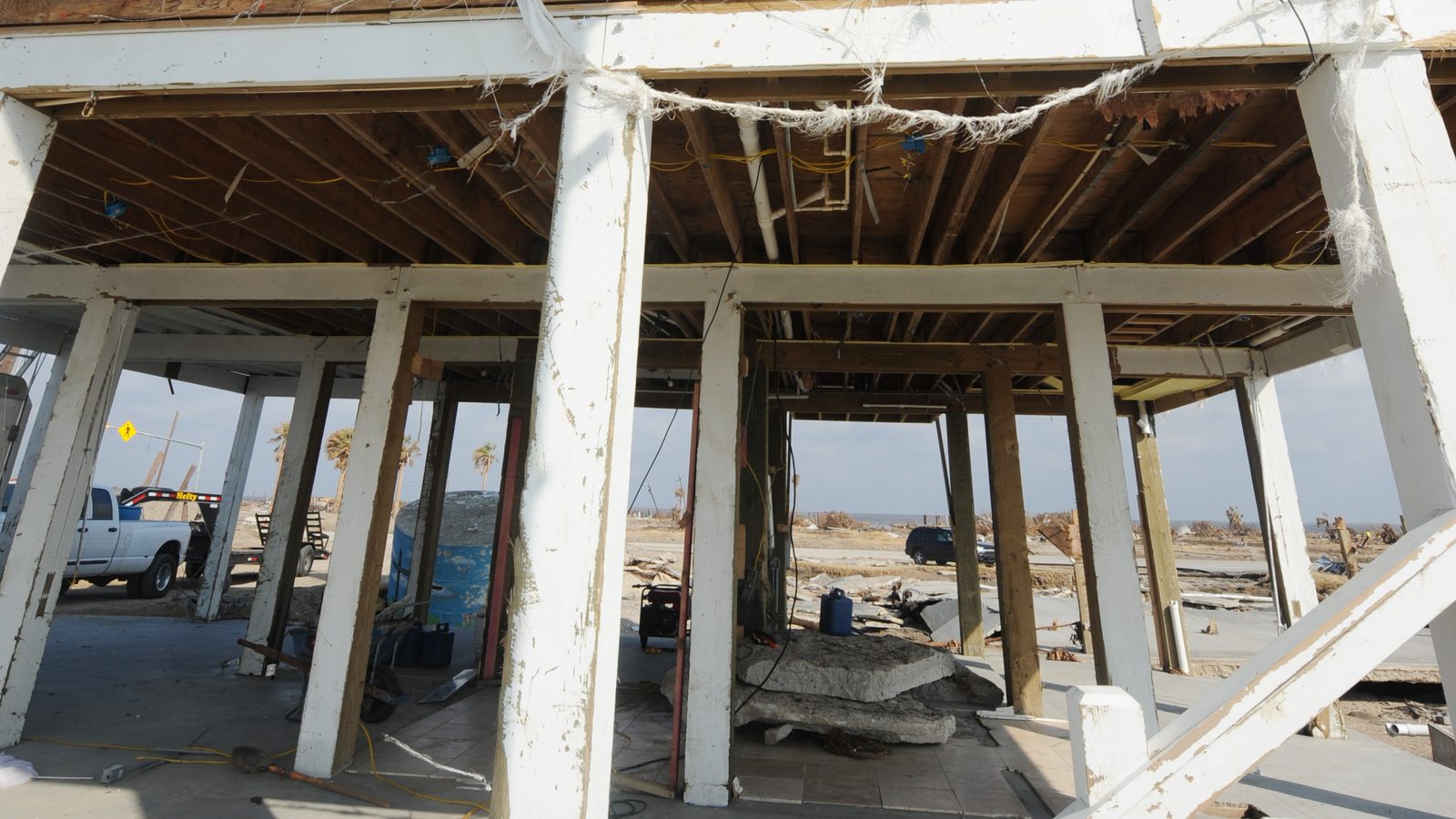
Florida’s hurricane season runs June 1 through November 30, and the best time to get your home ready is before a storm is in the forecast — not when the shelves are empty and the shutters are sold out. Readiness isn’t about panic; it’s about a handful of systems being in good shape and a short checklist done in advance. Here’s how to think about it.
Start with the roof
Your roof is your home’s primary defense against a windstorm, and it’s the first thing wind tries to peel away. Before the season, make sure the covering is sound, the flashing is secure, and there are no lifted or loose shingles or tiles. Beyond condition, the way your roof is built matters enormously — its shape, how the deck is attached, and whether it’s tied to the walls with straps. Those features also earn insurance discounts, which is why a wind mitigation inspection is worth doing well before storm season.
Protect the openings
Once wind gets inside a home — through a broken window or a failed door — it can pressurize the structure and lift the roof from within. Opening protection is critical:
- Impact-rated windows and doors, or shutters (accordion, roll-down, or panel) on every opening.
- A garage door rated for wind, since it’s one of the largest and most vulnerable openings.
- Pre-cut plywood as a last resort if you don’t have shutters — measured, labeled, and stored now, not the day before.
Make sure water can get away
Heavy rain is half of every hurricane. Confirm your drainage is ready: gutters clean, downspouts extended away from the foundation, and yard swales clear. Clogged drainage during a storm sends water straight at — and into — your home.
Handle the trees and the loose stuff
- Trim trees and remove dead or overhanging limbs well before a storm; debris removal stops once a watch is issued.
- Walk your yard and plan where patio furniture, grills, planters, and anything else loose will go — in a storm, unsecured objects become projectiles.
Know your shutoffs and have a kit
- Locate and learn your water, electrical, and gas shutoffs (see our home safety guide).
- Build an emergency kit: water (a gallon per person per day for several days), non-perishable food, medications, flashlights, batteries, a battery or crank radio, chargers, cash, and important documents in a waterproof container.
- Have a family plan — where you’ll go, how you’ll communicate, and what you’ll take.
Get your insurance house in order — before the storm
This is the step people skip, and regret. Before a named storm forms:
- Review your policy so you know your coverage, your standard deductible, and your separate hurricane deductible (Florida policies have one, and it’s usually a percentage of your home’s value, not a flat amount).
- Confirm whether you have flood coverage. Standard homeowners policies do not cover flood — that’s a separate policy, and it typically has a waiting period, so it can’t be bought once a storm is coming. Our guide to choosing the right insurance covers this in depth.
- Document your home. Photograph or video every room and the exterior, and keep an inventory of valuables. This is your evidence if you ever file a claim.
A simple before-and-after rhythm
Before the season: roof checked, shutters ready, trees trimmed, kit built, policy reviewed, home documented. When a storm threatens: install shutters, bring in loose items, fill the car and any prescriptions, charge devices, and follow local guidance. After it passes: document any damage immediately with photos before cleanup, make only temporary repairs to prevent further damage, and contact your insurer promptly.
Why an annual look matters
A pre-season inspection is one of the smartest moves a Florida homeowner can make: it catches the roof, opening, and drainage weaknesses that a storm will exploit, while there’s still time to fix them. Prosight’s full inspection — with included thermal imaging to find hidden moisture from past storms — gives you a clear readiness picture. Don’t wait for the cone to point at you; schedule an inspection and head into the season with confidence.
← All Notices