
Your water heater is one of the hardest-working appliances in your home, and one of the most ignored — right up until the day it leaks across the floor. A little understanding goes a long way toward avoiding that, and toward getting the most years out of the one you have.
How a water heater works
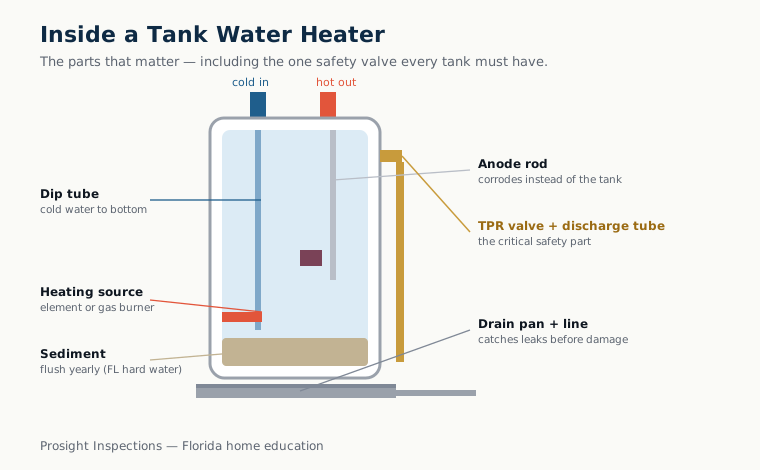
The most common type in Florida is the tank water heater. Cold water enters the bottom of an insulated tank through a dip tube, gets heated by either an electric element or a gas burner, and rises to the top, where it’s drawn off to your faucets. A thermostat keeps the temperature in range (around 120°F is the safe, efficient setting). Two parts protect the tank itself: the anode rod, a sacrificial metal rod that corrodes instead of the tank, and the temperature-and-pressure relief (TPR) valve, which we’ll come back to because it’s the single most important safety component.
Tankless (“on-demand”) heaters skip the tank entirely, heating water as it flows. They last longer and save space and standby energy, but cost more up front. Heat-pump water heaters are a high-efficiency electric option that work especially well in our warm climate.
Why Florida is hard on water heaters
Florida’s water is often hard (high in minerals), and that mineral content settles to the bottom of the tank as sediment. Sediment insulates the water from the burner or element, making the heater work harder, run less efficiently, and wear out sooner. It’s also what causes that popping or rumbling sound an aging heater makes. Combined with our warm, humid environment, a typical tank water heater lasts about 10–15 years here — plan for replacement as it approaches that age rather than waiting for a failure.
The TPR valve: the safety part that matters most
The temperature-and-pressure relief valve is a safety device that opens if the tank’s pressure or temperature climbs too high, preventing a dangerous rupture. It should have a discharge tube running down to within a few inches of the floor (or to a drain) so that if it ever releases, scalding water is directed safely downward. A water heater should also sit in a drain pan with its own drain line whenever it’s located where a leak could cause damage — like an interior closet or a second floor. These are exactly the kinds of items a home inspection checks, because a missing TPR discharge tube or drain pan turns a small problem into an expensive one.
How it connects to the rest of your home
A water heater ties directly into your plumbing and, for gas models, your fuel and venting systems. A slow tank leak can quietly damage flooring, drywall, and cabinetry, and feed mold in our humid climate — the same moisture concerns covered in our guides to attic ventilation and home moisture. Knowing where your water shutoff is (covered in our home safety guide) means you can stop a leak fast.
Simple maintenance that extends its life
- Flush the tank once a year to clear sediment — it’s the single best thing you can do for efficiency and longevity.
- Set the thermostat to ~120°F — hot enough to be safe and useful, cool enough to prevent scalding and reduce wear.
- Check the anode rod every few years and replace it when it’s mostly consumed; a fresh rod can add years to the tank.
- Test the TPR valve periodically (carefully) so you know it isn’t seized.
- Look for early leaks or corrosion at the fittings, the base, and the drain pan.
Signs your water heater needs attention
- Rusty or discolored hot water, which can signal tank corrosion.
- Popping, rumbling, or crackling sounds from sediment.
- Water pooling around the base or dampness in the drain pan.
- Running out of hot water faster than it used to.
- Age — anything past about 10–12 years is on borrowed time.
Why an annual look matters
Most water-heater failures give warning signs long before the flood — a weeping fitting, a rusting base, a TPR valve with no discharge tube, an aging tank with no drain pan. An annual inspection catches those, and at Prosight every full inspection also includes thermal imaging, which can reveal a hidden leak or unusual heat patterns around the unit before they’re visible. Pair this with the case for annual inspections, and when it’s time for a professional look, schedule an inspection — it’s a lot cheaper than replacing a closet floor.
← All Notices