
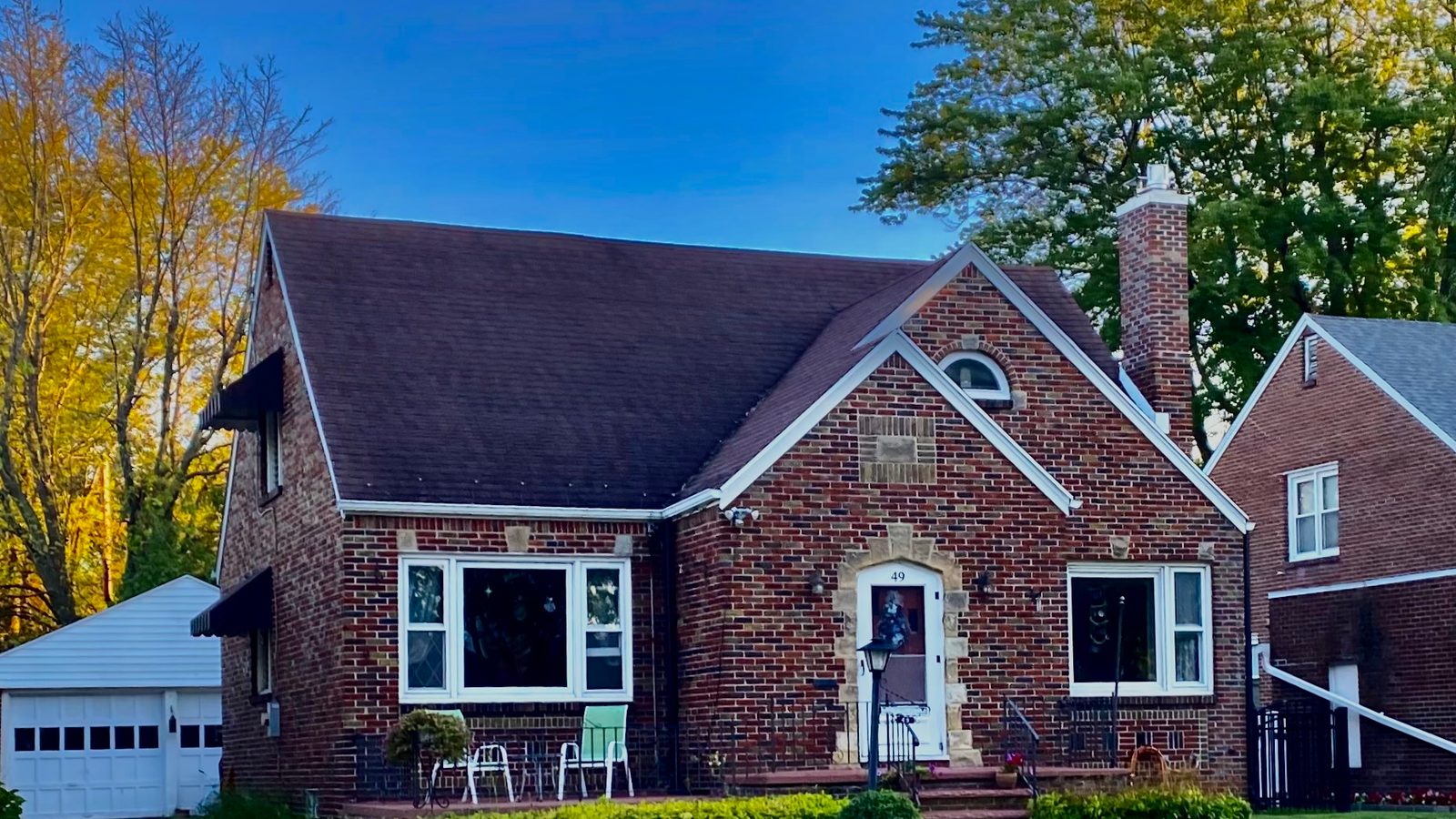
Most people only think about a home inspection once — when they’re buying. But your home doesn’t stop aging the day you get the keys. Roofs weather, seals fail, water finds new paths, and small issues quietly grow. An annual home inspection is a planned check-up that catches those problems while they’re still small and inexpensive to fix. Here’s why it consistently pays for itself, and what a thorough one actually covers.
A home is a system of systems
Your house isn’t one thing — it’s a collection of systems that all depend on one another. The roof protects the attic and insulation; the insulation protects your cooling bill; drainage protects the foundation; plumbing and electrical run through all of it. When one system slips, it usually drags others down with it. A roof leak becomes an attic problem, then a ceiling problem, then a mold problem. A good annual inspection looks at the whole picture, not just one part, so you understand how your home is actually doing and what to plan for next.
What an annual inspection actually covers
A complete inspection works through every major system and reports what’s working, what needs attention, and what to budget for:
- Roof and attic — covering condition, flashing, ventilation, and insulation.
- Structure and foundation — settlement, cracking, and signs of movement.
- Exterior and drainage — siding, grading, walkways, and how water moves around the home.
- Cooling and heating — system operation, age, and maintenance needs.
- Plumbing — fixtures, water heater, supply and drain lines, and signs of leaks.
- Electrical — the panel, wiring, outlets, and safety devices.
- Interior — doors, windows, walls, ceilings, and floors.
- Appliances — the built-in appliances and their condition.
The result is a clear, written report you can act on — a punch list of what to fix now, what to watch, and what to plan for down the road.
Small problems are cheap; ignored problems are not
Almost every expensive home repair started as an inexpensive one that nobody caught in time:
- A $15 tube of flashing sealant prevents a roof leak that would have meant new decking, soaked insulation, drywall, and mold remediation.
- A worn water-heater valve spotted early avoids a flooded closet and ruined flooring.
- A loose electrical connection found on an inspection avoids a fire risk and an emergency call.
- A clogged condensate line caught in spring avoids an AC failure in the August heat.
The math is simple: a yearly inspection costs a fraction of a single major repair, and it routinely finds the small things that turn into the big ones.
Protecting your insurance — a Florida reality
In Florida, staying insurable is its own reason to keep up with your home. Carriers care deeply about roof age and condition, water-intrusion history, electrical safety, and wind-resistance features. An annual inspection helps you:
- Stay ahead of problems insurers won’t tolerate — active leaks, unsafe panels, an aging roof.
- Document good upkeep, which works in your favor at renewal.
- Know when to act — for example, whether you’re ready for a wind mitigation inspection to capture insurance discounts, or whether your insurer will require a 4-point inspection.
The thermal imaging advantage
At Prosight, every full home inspection also includes thermal (infrared) imaging at no extra cost. Because an infrared camera sees heat directly, it reveals things the eye alone can’t: hidden moisture behind a wall, missing or wet insulation, overheating electrical connections, and air leaks. It’s one of the most powerful early-warning tools in a home inspection, and it’s part of why our inspections find issues while they’re still small. You can review the full scope and pricing before you book.
When to schedule
- Once a year, as routine maintenance — the same way you’d service your car or get a physical.
- After any major storm, to catch and document damage early.
- Before a builder’s warranty or new-home coverage period ends, so defects get caught while someone else still pays for them.
- Whenever something feels off — a new stain, a musty smell, a spike in your power bill.
What to expect during the inspection
A thorough home inspection usually takes two to three hours, depending on the size and age of the home. You’re welcome to come along — in fact, walking the home with your inspector is one of the best ways to learn how your house works and what to keep an eye on. The inspector examines each system in turn, takes photographs (including thermal images), and notes both active problems and the items that are simply nearing the end of their service life. Afterward you receive a written report, organized by system, with clear photos and plain-language explanations of what was found, how serious it is, and what to do about it. A good report doesn’t just list defects — it helps you prioritize: what needs attention now, what to monitor, and what to budget for over the next few years.
A note on what an inspection is not
An inspection is not an appraisal (which estimates value) and not a code-enforcement review. It’s a professional, top-to-bottom assessment of condition and safety — an honest picture of how your home is holding up and what deserves your attention.
It’s not just for older homes
New homes benefit too. Builders move fast, and even quality construction can leave missed details — a disconnected duct, a fixture that drips inside a wall, flashing that wasn’t fully sealed. Catching these while a builder’s warranty is still in force means someone else pays to fix them. And whatever your home’s age, a yearly baseline makes every future inspection more useful, because you can see exactly what has changed from one year to the next.
Make it a yearly habit
Think of an annual inspection the way you think of a yearly physical or an oil change: a small, scheduled cost that prevents large, unscheduled ones. It keeps your home safe, your bills predictable, and your insurance intact. When you’re ready, schedule your inspection — and use the rest of our Notices articles to understand each system in your home a little better.
← All Notices