
Florida has some of the highest homeowners-insurance costs in the country — and one of the very few inspections that can actually lower your premium is a wind mitigation inspection. It documents the features that help your home survive a windstorm, and Florida law requires insurers to give credits for many of them. For most homes the recurring savings far outweigh the one-time cost. Here’s how it works, feature by feature.
What a wind mitigation inspection is
A wind mitigation inspection records your home’s wind-resistant construction features on a standard state form — the OIR-B1-1802. Your insurer reads that form and applies the corresponding discounts. It’s important to understand that this is not a pass/fail inspection. The inspector isn’t grading your home; they’re documenting what it already has. The more qualifying features present, the more you typically save — and even a few features can add up. You can book a wind mitigation inspection here, and see how it fits with your broader coverage decisions in our Insurance Hub.
The features that earn discounts
The inspector looks for specific, well-defined items, each tied to how well your home resists wind:
- Roof covering and age. Whether your roof meets current building codes, and how old it is. A newer, code-compliant roof is one of the most valuable credits — and a reason to keep your roof in good shape.
- Roof deck attachment. How the plywood decking is fastened to the trusses. Larger nails spaced closer together resist uplift far better than the old staples found on many older homes.
- Roof-to-wall connection. How the roof is tied to the walls — the single biggest structural credit for many homes. Clips are good; wraps (“hurricane straps”) that wrap over the truss are better and carry larger discounts than the older “toe-nailed” method.
- Roof shape. A hip roof (sloped on all four sides) sheds wind better than a gable end and usually earns a discount on its own.
- Secondary water resistance (SWR). A sealed roof-deck layer that keeps water out even if the covering is torn off in a storm — a meaningful credit and real protection.
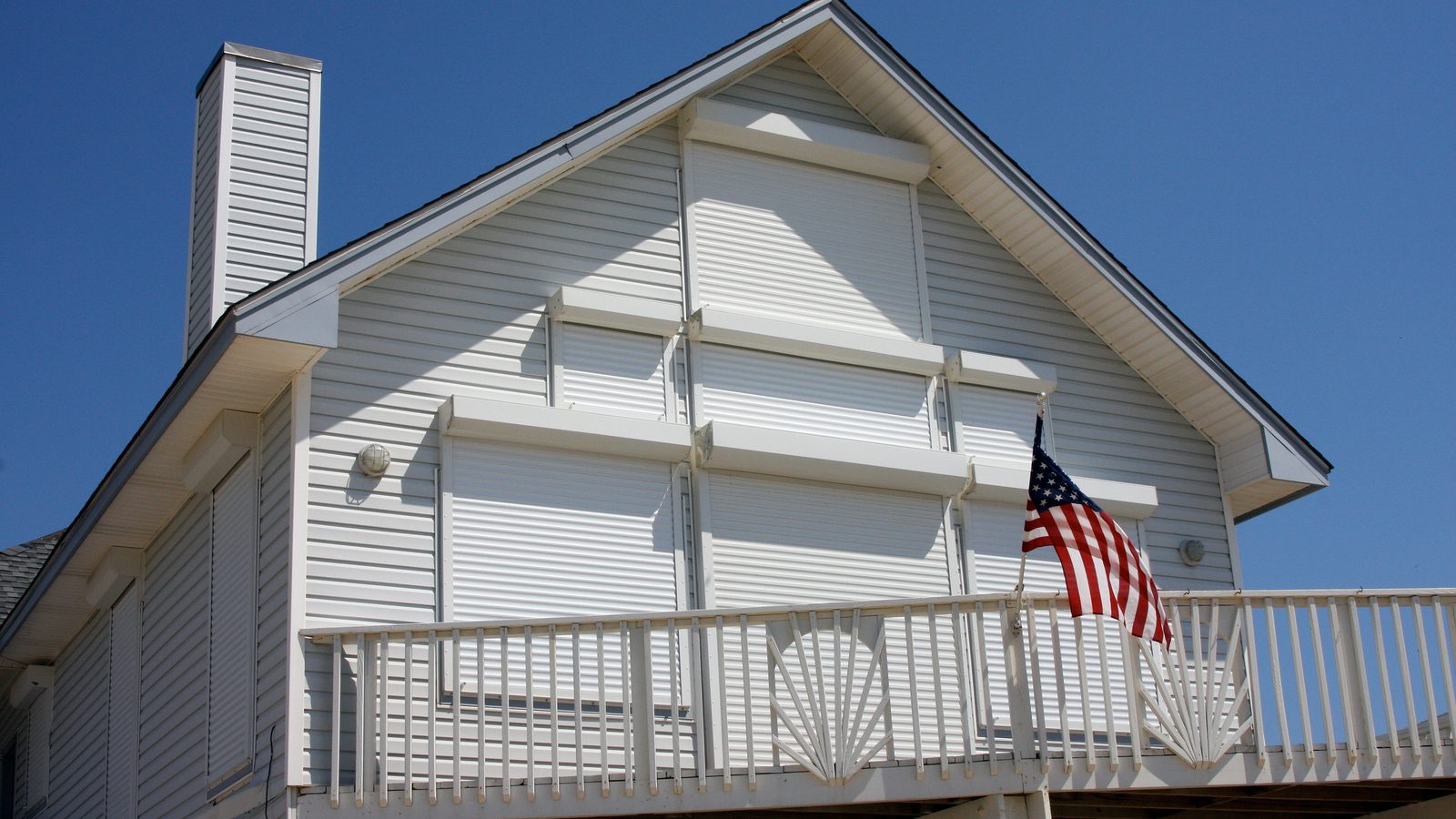
- Opening protection. Impact-rated windows and doors, or shutters, that protect against flying debris. To qualify, all openings generally need protection.
Each of these is something insurers will credit because each measurably lowers the odds of a major claim.
How the process actually works
- The inspector visits, photographs, and verifies each feature (attic access for the roof-to-wall connection, the roof for shape and covering, openings for protection).
- Those findings are recorded on the OIR-B1-1802 form.
- You give the completed form to your insurance agent.
- The carrier applies every credit your home qualifies for — and your premium goes down.
It’s a straightforward visit, and you don’t have to do anything to your home to benefit from features it already has.
How much can you save?
Savings vary by home, carrier, and county, but the wind portion of a Florida premium is substantial — and credits commonly add up to hundreds of dollars a year, sometimes more. The roof-to-wall connection and opening protection tend to drive the largest discounts. For a great many homeowners, the first year’s savings alone more than cover the cost of the inspection.
Why the savings recur
This is the part homeowners love: a wind mitigation inspection is generally valid for up to five years, and the credits apply every year within that window. So a single, modest inspection fee can return savings year after year — not just once.
What if my home is older?
Older homes still benefit. Even if your house doesn’t have every modern feature, documenting the ones it does have can lower your premium — and the inspection tells you exactly which upgrades (like adding roof-to-wall straps during a re-roof) would unlock further credits later. You may also find our guide to the Florida insurance market helpful when comparing carriers.
Common misconceptions about wind mitigation
A few myths keep homeowners from claiming savings they’ve already earned:
- “It’s a pass/fail test.” It isn’t. The inspection simply documents the features your home has — there’s nothing to fail.
- “My home is too old to qualify.” Even older homes usually have some qualifying features, and documenting them still lowers your premium.
- “I need every feature to benefit.” Not true — credits are additive, so each qualifying feature helps on its own.
- “I had one years ago, so I’m set.” The form expires (commonly after five years), and a re-inspection after a re-roof or upgrade can unlock new credits.
What the inspector needs access to
To verify each feature, the inspector typically needs into the attic (to view the roof-to-wall connections and deck attachment), up to or onto the roof (for shape and covering), and to the windows and doors (for impact rating or shutters). Clearing the path to your attic hatch ahead of time keeps the visit quick and smooth.
How it connects to your other inspections
Wind mitigation, the 4-point inspection, and a full home inspection each serve a different purpose, but they overlap on one thing: the roof. Keeping your roof sound — with the help of an annual inspection — protects both your home and your insurability.
How to prepare for your inspection
There’s very little you need to do. Make sure the inspector can reach the attic access (move any stored items away from the hatch), unlock any gates, and have your insurance details handy so the completed form goes straight to your agent. The visit itself is typically quick — often under an hour for an average home — and you don’t need to be present the whole time.
Is it worth it? Almost always.
If your home has any modern wind-resistant features — and most homes built or re-roofed in recent decades do — a wind mitigation inspection is one of the highest-return things you can do for your budget. The worst case is you confirm exactly which credits you qualify for; the best case is meaningful savings every year for years. Schedule your wind mitigation inspection and start capturing the discounts you’ve already earned.
← All Notices