
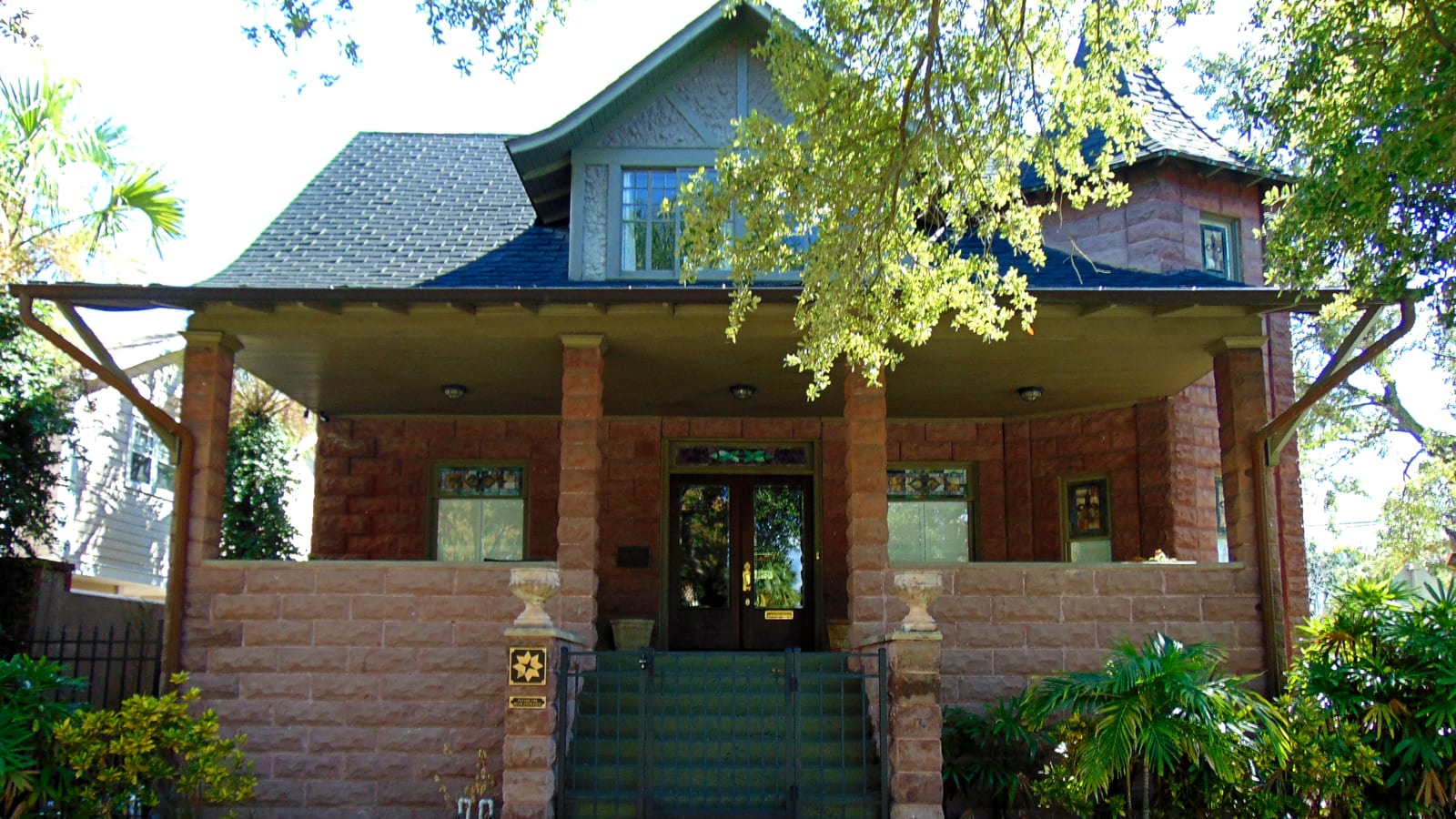
St. Petersburg and the wider Tampa Bay area are full of wonderful older homes — 1920s bungalows, mid-century blocks, and solid ranch houses that have stood up to decades of Florida weather. They often have craftsmanship and charm you simply can’t buy new. But an older home also carries some age-specific issues, and knowing them before you make an offer is the difference between a great buy and an expensive surprise. Here’s what to keep an eye on.
The roof comes first
In Florida, the roof drives both your comfort and your insurance. On an older home, the key questions are how old the current roof is and how much life it has left — because a roof near the end of its life can make a home hard or costly to insure, and may need replacing sooner than you’d like. Ask for the roof’s age and permit history, and make roof condition a priority in your inspection. Our guide to Florida roofs explains what to look for and why it matters so much here.
Electrical panels and wiring
Electrical systems in older homes are one of the most important — and most overlooked — things to check. A few specific concerns come up again and again:
- Outdated panels. Certain older electrical panels have a documented history of problems and are flagged by inspectors and insurers alike. If the home still has one, budget for replacing it.
- Older wiring types. Homes from certain eras used wiring materials that today’s inspectors watch closely. It doesn’t always need to be torn out, but it should be evaluated by a licensed electrician.
- Too few circuits and outlets. Older homes were wired for a fraction of today’s electrical load, so you may find overloaded circuits and too few grounded or GFCI-protected outlets.
None of these are automatic dealbreakers, but they’re the kind of thing you want to know about — and price in — before closing.
Plumbing: the pipes you can’t see
This is where older Tampa Bay homes hide their biggest surprises, because the trouble is usually underground or inside the walls.
- Cast-iron drain lines. Many local homes built before the mid-1970s have cast-iron waste pipes. Over decades, cast iron corrodes from the inside out and can crack or collapse — often below the slab, where a repair gets expensive. If the home is that era, it’s worth asking about the drain lines specifically and considering a sewer camera inspection (a “sewer scope”) to see their real condition.
- Older supply piping. Some homes have supply lines made of materials that are known to become brittle or leak-prone with age. Identifying the material tells you a lot about future risk.
- The water heater. Note its age and condition — it’s one of the most common sources of indoor water damage. Our water heater guide covers what to check.
A standard inspection identifies the plumbing materials and looks for active problems; a sewer scope adds a look at the buried drain line that a visual inspection can’t reach.
Heating, cooling, and comfort
Florida is hard on air conditioning. On an older home, check the age and condition of the HVAC system — an aging system may still work but could be near the end of its service life. Also look at the attic, insulation, and ventilation: older homes are frequently under-insulated by today’s standards, which affects both comfort and your energy bills. Improving insulation is one of the better returns you can get in an older home.
Windows, doors, and openings
Many older homes still have single-pane windows and original doors. They add character, but they offer less protection in a storm and less efficiency year-round. This matters for insurance too — impact-rated windows and shutters can earn discounts through a wind mitigation inspection. You don’t have to replace everything, but know what you’re getting and what upgrades might be worth it.
Know the flood zone and elevation
Much of the Tampa Bay area sits at low elevation, and many older homes were built before today’s flood-aware building practices. Two things are worth checking before you buy: what FEMA flood zone the property is in, and how the home sits relative to grade and any nearby water. This matters for two reasons. First, flood damage is not covered by a standard homeowners policy — it requires a separate flood policy, and premiums vary a lot by zone and elevation. Second, an older, lower-set home can be more prone to water intrusion during heavy rain and storm surge. It’s not a reason to avoid a home you love, but it is a cost and a risk you want to understand up front, not discover after a wet season. Our hurricane-readiness guide covers how to keep water out.
Permits and past work
Older homes have often been added onto, updated, or repaired over the years — sometimes without permits. Unpermitted work isn’t just a paperwork problem: it means that room addition, re-wire, or re-roof was never inspected by anyone. Ask the seller and check the local records for the permit history, and have your inspector pay attention to work that looks recent or non-original.
The insurance picture
Because the home is older, your insurer will very likely require a 4-point inspection — a focused look at the roof, electrical, HVAC, and plumbing — before it will write a policy. It’s smart to understand this up front so it doesn’t hold up your closing. Read our 4-point guide and our overview of choosing the right Florida insurance so you can line up coverage without last-minute scrambling.
Get the right inspections — and use them
Here’s the good news: almost everything above is knowable before you buy. A thorough home inspection tells you the real condition of the roof, electrical, plumbing, and structure, and gives you the leverage to renegotiate, request repairs, or walk away with your deposit intact. For older homes, it’s often worth adding:
- a sewer scope for homes with cast-iron or clay drain lines,
- a wood-destroying organism (termite) inspection, and
- the 4-point and wind mitigation reports your insurer will want anyway.
Prosight inspects older homes across St. Petersburg and Tampa Bay every week, and our full inspection includes thermal imaging to help reveal hidden moisture and problems a visual-only inspection can miss. If you’re under contract on an older home — or thinking about making an offer — schedule an inspection and buy with your eyes open.
← All Notices