
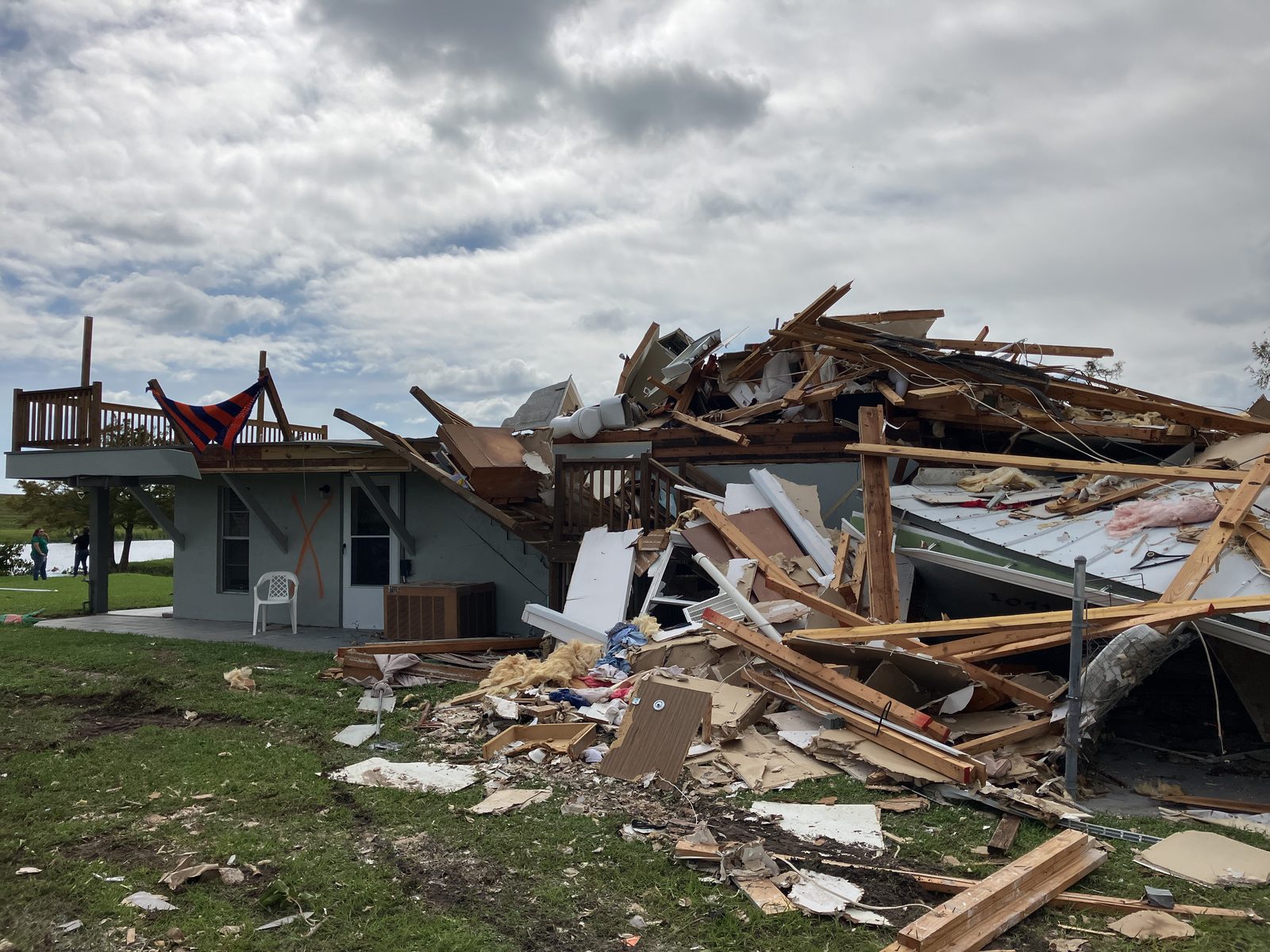
The 2024 hurricane season was a turning point for Sarasota County. In a span of weeks, Hurricane Helene drove a punishing storm surge along the west-central Florida coast in late September, and on October 9, Hurricane Milton made landfall as a Category 3 storm near Siesta Key — a direct hit on Sarasota County that also spawned a damaging tornado outbreak. (Earlier that summer, Hurricane Debby had already soaked the region.) A year later, the way homes here are inspected, repaired, and insured has meaningfully changed. If you own or are buying a Sarasota-area home, here’s what’s different — and what to check.
The biggest change: the FEMA “50% rule”
The single most important thing to understand after 2024 is the Substantial Damage / Substantial Improvement rule, often called the “50% rule.” Under the National Flood Insurance Program, a structure in a flood zone is considered substantially damaged when the cost to repair it back to its pre-storm condition equals or exceeds 50% of the building’s market value (the structure only — land, pool, and landscaping don’t count). The same 50% threshold applies to voluntary renovations, where it’s called substantial improvement.
Why it matters: once a home crosses that 50% line, the owner can’t simply repair it as it was. The entire structure has to be brought up to current building and floodplain codes — which, in a flood zone, often means elevating the home to or above the Base Flood Elevation, using flood-resistant materials, and adding proper flood venting. After Helene and Milton, Sarasota County and its barrier-island communities issued substantial-damage determinations on impacted properties, and that finding changes everything about how — and how expensively — a home can be rebuilt.
Because the calculation depends on your specific home’s value and damage, don’t rely on rules of thumb. Sarasota County publishes an official substantial-damage process and calculator, and the County or a state-licensed appraiser establishes the market-value basis. If a home you’re considering was hit in 2024, this is the first thing to run down.
Permitting and reinspection are now front and center
As residents have rebuilt, permitting activity across Sarasota County has surged, and with it, scrutiny. Storm repairs require permits, and homes flagged as substantially damaged face reinspection to confirm they were rebuilt to current elevation and flood-code standards. For a buyer, that creates a very specific risk: unpermitted repair work. Fast, cash “we’ll just fix it” repairs done without permits after a storm can void insurance, fail at resale, and leave you owning a code problem you didn’t create. Verifying that post-storm work was permitted and closed out is now an essential step.
Insurance and inspections have tightened
Florida’s insurance market was already strict, and back-to-back major storms sharpened it further. A few practical effects:
- Wind mitigation inspections matter more than ever. These document the features that help a home resist windstorms — roof shape, roof-to-wall connections, roof-covering type and permit date, and opening protection — and they’re the basis for insurance premium discounts. Florida even updated the official wind-mitigation form in 2026. If you’re buying or insuring a Sarasota-area home, a wind mitigation inspection is one of the highest-value reports you can get.
- 4-point inspections remain the gatekeeper for older homes. Carriers still require a 4-point inspection on older homes to write or renew coverage, and post-storm underwriting leaves little room for a roof or system near the end of its life.
- Elevation Certificates — documents that record a home’s lowest-floor elevation relative to the Base Flood Elevation — have become central to both 50%-rule rebuilds and flood-insurance pricing.
What to check before buying a Sarasota-area home now
If you’re shopping in Sarasota, Siesta Key, Longboat Key, Osprey, Venice, or anywhere along this coast in 2026, add these to your due diligence:
- Permitted vs. unpermitted repairs. Pull the County’s permit history and confirm any 2024 storm work was permitted and finaled.
- Flood zone and elevation. Find out the home’s flood zone and get (or commission) an Elevation Certificate — it drives both the 50% rule and your flood-insurance cost.
- Substantial-damage history. Ask whether the home ever received a substantial-damage determination, and if so, confirm the required code and elevation upgrades were completed.
- Roof age and wind-mitigation features. A wind mitigation inspection captures discounts and confirms the roof covering and permit date.
- A full inspection, always. A complete home inspection catches the hidden damage a quick walk-through won’t — and with post-storm homes, hidden moisture is the big one.
How a thorough inspection protects you
After a season like 2024, the smartest move a Sarasota buyer or owner can make is a complete inspection by a licensed professional who knows what these storms leave behind. Prosight’s full inspection includes free thermal imaging, which helps reveal hidden moisture from past water intrusion that a standard visual check can miss — exactly the kind of lingering storm damage that turns into mold and rot later. We serve Sarasota and the greater Gulf Coast, and can pair a full inspection with wind mitigation and 4-point reports in one visit.
Buying or insuring a home along this coast? Schedule an inspection and go in knowing exactly what you’re getting — permits, elevation, roof, and all.
← All Notices